What It’s Like to Own a Second Home in Aspen
March 5, 2026
March 5, 2026
You picture it clearly: wheels down at ASE, crisp alpine air, and a quick five to ten minutes to your front door. In Aspen, a second home is more than a getaway. It’s a rhythm you fall into across seasons, with world-class skiing, summer festivals, and a concierge set of services that keep things running while you’re away. In this guide, you’ll see what a typical week feels like, plus the real costs, rules, and decisions that shape ownership here so you can plan with confidence. Let’s dive in.
Your week often starts at Aspen/Pitkin County Airport (ASE), which sits just a few miles from town and handles seasonal commercial service and private aviation. That short hop from runway to residence is part of the appeal, especially compared to a 3.5 to 4-hour drive from Denver in good conditions. Learn more about ASE’s location and services through the airport’s reference listing at KASE.
On mountain days, you choose among the four Aspen Snowmass mountains: Ajax (Aspen Mountain) for steep laps and downtown energy, Highlands for bowl days, Buttermilk for smooth groomers, and Snowmass for variety. Many owners hold local season passes, and visiting friends may use partner access like Ikon. Review pass access details in the Ikon Pass FAQ for Aspen Snowmass.
A typical day looks like this:
Behind the scenes, your caretaker or property manager often handles linen turnover between stays, grocery delivery, and scheduling ski tuning or gear storage. Snow removal, trash set-out, and remote thermostat checks are standard in winter.
In summer, days run outdoors and evenings turn cultural. You might start with a hike or bike, add fly fishing, then settle into a concert or talk. Aspen’s calendar includes the Aspen Music Festival, Jazz Aspen Snowmass events, Food & Wine Classic, and Aspen Ideas Festival. For a taste of the seasonal arts lineup, browse the Aspen arts and culture roundup.
Entertaining is common. Hosts plan multi-day gatherings around festival dates, mixing patio dinners with gallery strolls. Tickets and restaurant bookings reward early planning in peak weeks.
Spring and fall bring quieter streets and great hiking weather. Many owners use these windows for maintenance, deep cleaning, and smaller gatherings. It’s also when contractors schedule HVAC service, roof and gutter checks, and winterization or spring re-commissioning.
Aspen is a high-cost market. Entry-level condos and townhomes commonly start in the low millions, and single-family and trophy homes sit much higher. Prices vary by location, size, and amenity package. Focus on value, condition, and convenience to the mountains and town when you assess options.
Colorado calculates property tax from assessed value, which is not the same as market price. For 2025, the state updated assessment rates, which affects how your taxable base is calculated. Pitkin County provides guidance on how assessed values work and how comparable sales factor into assessments. You can review the county’s notes on assessment and comparable sales on the Pitkin County Assessor page.
Mountain homes come with seasonal chores, whether you own a condo or a single-family retreat:
If you plan occasional rentals or frequent visits, a property manager can set housekeeping cadence, handle vendor scheduling, and keep an eye on systems while you are off-site.
Colorado’s insurance market reflects wildfire and severe weather risk. In higher-risk zones, carriers may scrutinize coverage more closely, and premiums can be higher. The state has pushed for transparency and mitigation credits for wildfire risk, so you may be able to earn discounts after completing certain projects. Budget time to get quotes and ask about mitigation-based savings. For a state-level view, see this Colorado homeowners insurance overview.
Some owners keep homes strictly for personal use. Others rent selectively to offset costs. If rental income is part of your plan, build in time to understand permits, fees, and guest support.
The City of Aspen requires an STR permit, with multiple permit types that include owner-occupied, lodge-exempt, and STR-classic. Advertising must display permit numbers, renewals are required, and certain zones have caps. Read the city’s program details on Aspen’s Short-term Rentals page.
Aspen also levies excise taxes on STRs, and the city explains how local lodging and sales taxes stack with state collections. Owners and operators are responsible for filing and remitting. For rates and filing rules, see the city’s sales and use tax guidance and an overview of Aspen’s STR excise program via the Aspen Chamber public affairs resource.
Beyond city limits, Pitkin County licenses STRs and has set eligibility criteria that include history-of-use requirements in many cases, as well as night caps or minimum stays depending on location. Active license counts have decreased from earlier peaks. This constrains supply, so verify eligibility and timing early if rental income matters to you. For a summary of current rules, explore this Aspen/Pitkin County STR regulations overview.
Most second-home owners hire a local manager for STR operations. In resort markets, standard turnover management commonly runs about 10 to 25 percent of gross rental revenue, with higher tiers for full-service programs. Expect separate cleaning and linen charges per stay. See a typical fee range discussed in this STR management overview.
If you rent your vacation home and also use it personally, the IRS requires you to track nights and allocate expenses between personal and rental use. Special rules apply if you rent for fewer than 15 days. Review the details in IRS Publication 527.
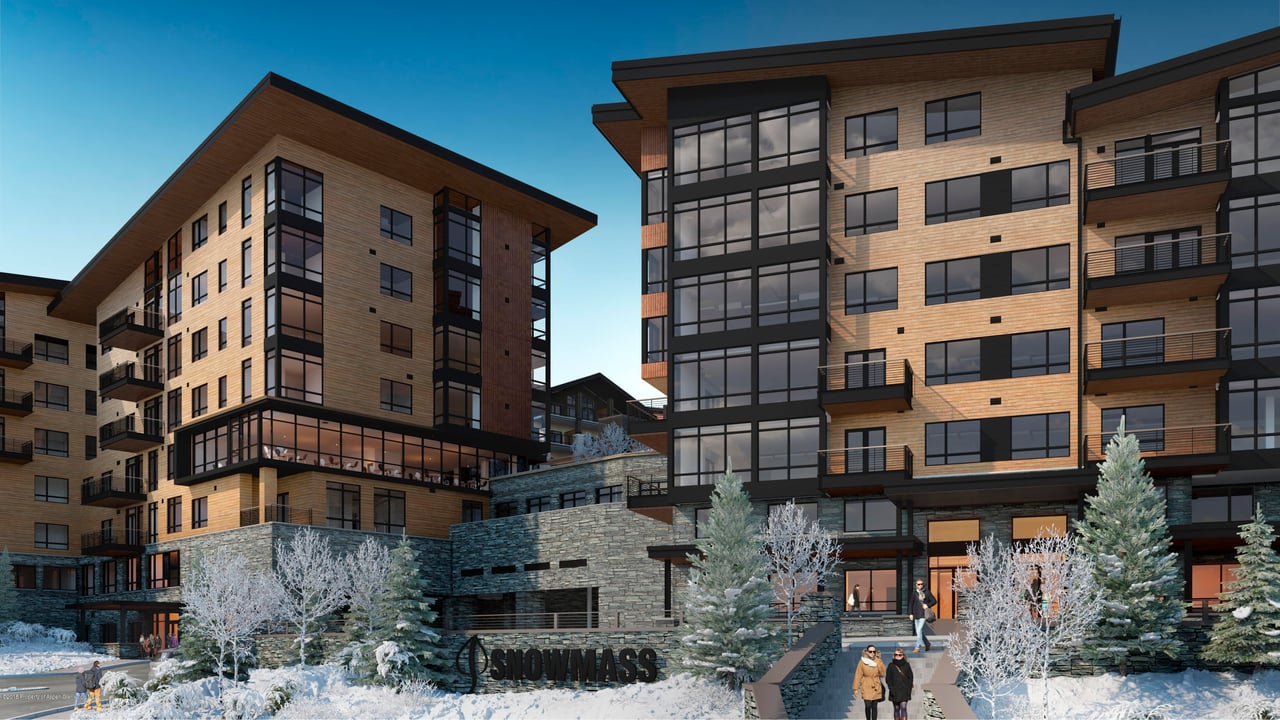
Many second homes in central Aspen are in condo or lodge-style communities. HOA rules and dues vary widely by building and amenity set. Some include on-site staff, front desk support, fitness or pool access, and shared insurance coverage. Others keep it lean. Always review the HOA disclosure for what dues cover, staffing levels, and any rental program participation or restrictions. For single-family homes, you will coordinate your own vendors or work through a property manager.
Lenders typically apply tighter standards to second homes than to primary residences. Expect higher down payment expectations, closer debt-to-income scrutiny, and cash reserve requirements. In many Aspen purchases, you will use a jumbo or portfolio loan due to price points. Consumer finance guidance often cites 10 to 20 percent down for second homes, with variations by product type and borrower profile. For a helpful summary, read this overview of second home mortgage expectations.
Aspen and Pitkin County have worked for decades to support a local workforce through deed-restricted housing administered by APCHA and other programs. These deed-restricted properties are separate from the free-market second-home segment, with their own eligibility and resale rules. For background on how deed-restricted categories function locally, see this reporting on APCHA deed-restricted housing.
Short-term rental policy has evolved since 2020 and is actively enforced. City permit types, zone caps, and tax measures, along with county licensing rules, can change over time. Always confirm the latest requirements on the City of Aspen STR page during your purchase process.
Owning a second home in Aspen blends mountain-lifestyle freedom with real operational choices. When you know how weeks flow across seasons, what it costs to carry, and which rules apply if you rent, you can decide with clarity. If you want a local, concierge-style guide to match you with the right slope-side condo, in-town residence, or private retreat, connect with Theo Williams. Start Your Aspen Search.
Stay up to date on the latest real estate trends.
Elevate your real estate experience with Theo Williams. Whether you're buying or selling, Theo's unmatched expertise and personalized service ensure your journey is seamless and rewarding. Contact Theo today to start your real estate adventure.