Aspen vs Snowmass vs Basalt: Find Your Best Mountain Town
May 21, 2026
May 21, 2026
Choosing between Aspen, Snowmass Village, and Basalt is not just about price. It is about how you want your days to feel once you are here. If you are trying to balance ski access, year-round livability, housing options, and long-term value, this guide will help you sort through the differences and narrow in on the mountain town that fits you best. Let’s dive in.
Aspen, Snowmass Village, and Basalt sit within the same broader Roaring Fork Valley market, but they serve very different lifestyles. Even when the drive times are short, the day-to-day experience can change a lot from one town to the next.
Aspen is the classic luxury core, with a full menu of arts, events, trails, transit, and resort-town energy. Snowmass Village is more purpose-built around the ski experience, with a mixed-use core and residential areas surrounded by open space. Basalt feels more like a year-round valley town, with a broader residential profile and a more local daily rhythm.
Aspen is the best fit if you want to be in the center of the action. The city describes itself as both a resort town and a true western town, with a bus system, cross-country ski trails, and a wide calendar of theater, film, food, wine, beer, and community events. Census QuickFacts estimate Aspen’s July 1, 2025 population at 6,489.
For many buyers, Aspen’s biggest draw is convenience paired with polish. You can be close to dining, culture, trails, and everyday services while also owning in one of the most recognized mountain markets in the country. That combination is hard to replicate.
Aspen has the tightest supply and the highest pricing of the three towns in this comparison. In the April 2026 Aspen Board of REALTORS report, the rolling 12-month median sold price was $12.75 million for single-family homes and $3.4 million for townhouse and condo properties.
The housing environment is also more policy-managed. The city requires permits for short-term rentals under 30 days, and those regulations are tied to quality of life, parking, wildlife protection, housing, transportation, and city services. If rental flexibility matters to you, this is a key question to evaluate before you buy.
Aspen often fits buyers who want:
If your ideal mountain experience includes stepping into a polished town environment with a full calendar and strong lifestyle appeal, Aspen may feel like the natural fit.
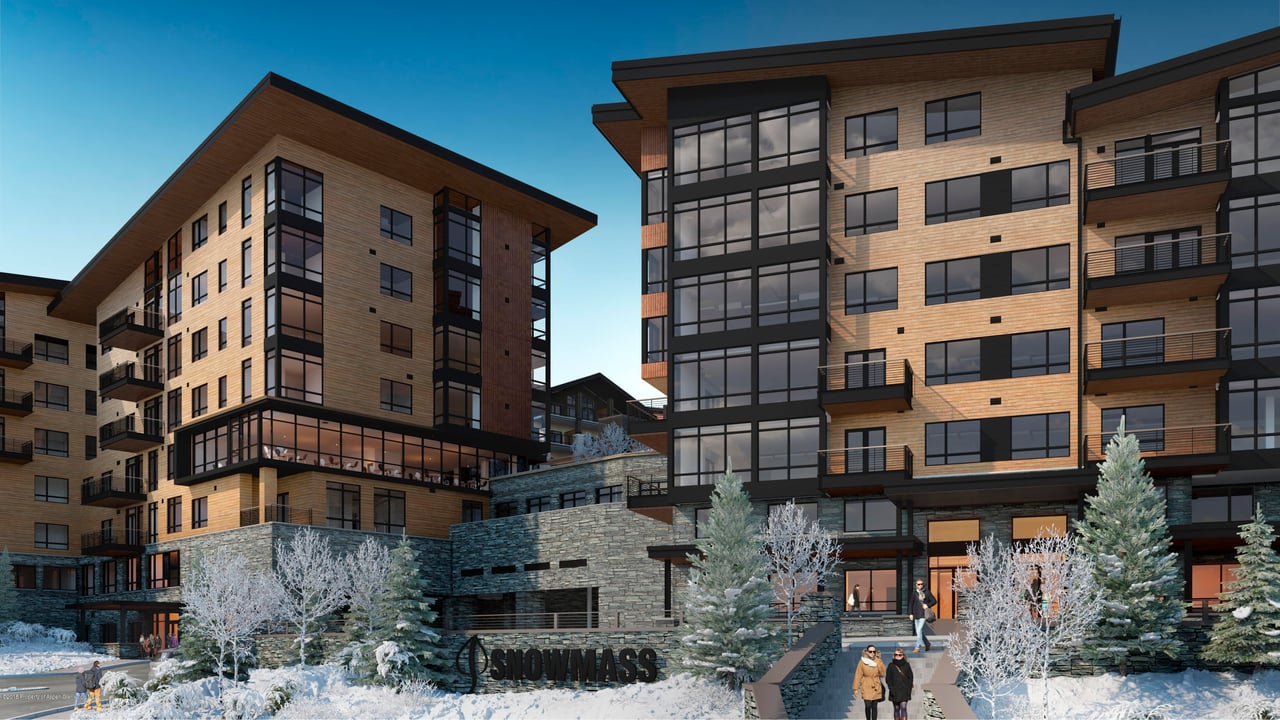
Snowmass Village is the most resort-centric option of the three. The town describes itself as a home-rule municipality in Pitkin County that includes the Snowmass Ski Resort, about 9 miles northwest of Aspen, across roughly 25 square miles at 8,606 feet.
Its layout is a major part of its appeal. Snowmass Village has a medium-density, mixed-use town core with residential neighborhoods and open space around it, giving many buyers a more intentionally planned resort feel. If you picture mountain ownership as being closely tied to skiing and resort convenience, Snowmass Village deserves a close look.
Tourism is the dominant economic engine, and the town is home to Colorado’s second-largest ski area. According to the town’s 2024 community profile, 95% of lodging is ski-in, ski-out, and the shuttle system carries hundreds of thousands of riders annually across fixed winter and summer routes.
That tells you a lot about the day-to-day experience. Snowmass Village is built to move residents and visitors efficiently around a resort environment, which can be a major advantage if you want a property that supports ski weekends, seasonal stays, or resort-oriented ownership.
Snowmass Village is more resort-lodging heavy than Aspen or Basalt. The town’s 2024 community profile reports 2,602 housing units, with a balance that skews toward rentals and lodging because of the resort.
In the April 2026 Aspen Board of REALTORS report, the rolling 12-month median sold price was $9.275 million for single-family homes and $2.85 million for townhouse and condo properties. That places Snowmass Village below Aspen in median pricing, but still firmly in the luxury category.
Snowmass Village often works well for buyers who want:
If your first question is how quickly you can get on the mountain, Snowmass Village may be the clearest answer.
Basalt offers a different kind of mountain lifestyle. It feels more residential, more locally rooted, and more tied to everyday valley living than to a resort base area. Its history traces back to a railroad settlement known as Aspen Junction, and the town was incorporated in 1901.
Today, Basalt stretches across a broader set of neighborhoods and areas, including places such as Willits, Emma, El Jebel, and Missouri Heights. That wider footprint contributes to a more lived-in feel, especially for buyers who want their property to function well beyond peak ski season.
Basalt is the most attainable of the three towns in current market data. In the April 2026 Aspen Board of REALTORS report, the rolling 12-month median sold price was $2.177 million for single-family homes and $1.36875 million for townhouse and condo properties.
Its housing profile also differs from Aspen and Snowmass Village. The 2025 Basalt Housing Needs Assessment says 61% of occupied housing units were owner-occupied in 2022, and more than 200 rental units have been built since 2015. That owner-occupied profile can matter if you are looking for a community with a stronger full-time residential base.
Basalt plays an important commuter-friendly role in the valley. The town says Basalt Connect recently expanded its free rideshare service area to Crown Mountain, Summit Vista, and Emma, reinforcing that broader local connection.
The economy is also more diverse than a pure resort market, with construction identified as a leading sector in the housing needs assessment. For some buyers, that translates to a more grounded, practical, year-round atmosphere.
Basalt often fits buyers who want:
If you like the idea of being part of the broader Roaring Fork Valley lifestyle, Basalt may give you the right balance.
Here is a simple side-by-side view of current median sold prices and overall positioning.
| Town | Single-Family Median Sold Price | Townhouse/Condo Median Sold Price | General Fit |
|---|---|---|---|
| Aspen | $12.75M | $3.4M | Luxury core with top amenities |
| Snowmass Village | $9.275M | $2.85M | Ski-first resort living |
| Basalt | $2.177M | $1.36875M | Year-round valley lifestyle |
Price alone should not decide your search, but it can quickly clarify where to focus. In this market, budget often shapes whether you are choosing among all three towns or deciding between a more central resort location and more space or flexibility farther down valley.
One of the most useful ways to compare these towns is to think about how often you will actually use the property. Aspen’s official relocation guidance places Snowmass Village about 15 minutes from Aspen and Basalt about 25 minutes away, with Old Snowmass around 20 minutes and Carbondale around 35 to 45 minutes.
That means the right answer often comes down to your routine. If you expect quick ski mornings, short weekend trips, and walkable resort energy, being closer to the core can be worth the premium. If you want more room in your budget and do not mind a longer drive to the slopes, Basalt may make more sense.
Before you decide between Aspen, Snowmass Village, and Basalt, ask yourself a few practical questions.
If this will be a frequent ski retreat or long-weekend base, resort access may outweigh other factors. If you plan to spend longer stretches in the valley, a more residential setting may become more appealing.
Some buyers care most about lift access and resort amenities. Others want restaurants, events, trails, and a more traditional town center. Knowing which experience matters more can simplify your search quickly.
Aspen requires permits for short-term rentals under 30 days, and local regulations can shape how you use the property. If rental use is part of your plan, it is worth reviewing those details early.
Your decision may also depend on whether you want a condo, townhome, single-family mountain retreat, land opportunity, or a new-development residence. Different towns can offer different strengths depending on the product type you prefer.
For some buyers, deed-restricted or APCHA-related housing may be part of the conversation. APCHA says the Ownership Exclusion Zone includes Aspen, Basalt, Snowmass, and other Roaring Fork and Colorado River communities, which can affect eligibility.
If you want the most polished luxury setting, the deepest amenity base, and you are comfortable with the highest price band, Aspen is often the strongest fit. If your focus is skiing, resort convenience, and a village built around mountain access, Snowmass Village usually rises to the top.
If you want more value, a more owner-occupied environment, and a year-round valley lifestyle, Basalt is often the best match. None of these choices is universally better. The best town is the one that aligns with how you want to live, visit, and invest in the Roaring Fork Valley.
Whether you are comparing ski-in, ski-out condos, resort residences, single-family homes, land, or new-development opportunities, a local, lifestyle-first strategy can save you time and help you buy with more confidence. If you want help narrowing your search, connect with Theo Williams for thoughtful guidance across Aspen, Snowmass, and the Roaring Fork Valley.
Stay up to date on the latest real estate trends.
Elevate your real estate experience with Theo Williams. Whether you're buying or selling, Theo's unmatched expertise and personalized service ensure your journey is seamless and rewarding. Contact Theo today to start your real estate adventure.