Snowmass Ski In Ski Out Condos: Practical Buyer’s Guide
February 19, 2026
February 19, 2026
Shopping for a ski-in/ski-out condo in Snowmass sounds simple until you realize the term means different things from one listing to the next. You want seamless laps, easy gear logistics, and strong rental potential, not surprises when the snow flies. This guide breaks down how ski access really works in Snowmass Village, where you’ll find true slopeside options, what to check in HOAs and short-term rental rules, and how to verify a route before you buy. Let’s dive in.
In Snowmass, ski-in/ski-out is a spectrum, not a single standard. You’ll see everything from true door-to-run access to lift-adjacent units where you cross a plaza, and near-resort places that rely on a shuttle. A practical test is simple: can you put on skis near your door, reach a groomed run or lift, and return on skis in typical winter conditions? If you must cross a public road, remove skis for stairs, or rely on a shuttle, treat it as a step down from true slopeside.
Snowmass has several base nodes and named connectors, and they drive what’s actually ski-in/ski-out. The key landmarks you’ll see in listings are the Elk Camp Gondola, Village Express, Assay Hill, and the Fanny Hill run, plus Two Creeks and various connector catwalks. Always trace the exact route a property claims using the resort’s official Snowmass trail map. Seasonal realities matter too. Lower connectors or sun-exposed paths can be less reliable late season, so focus on winter verification whenever possible.
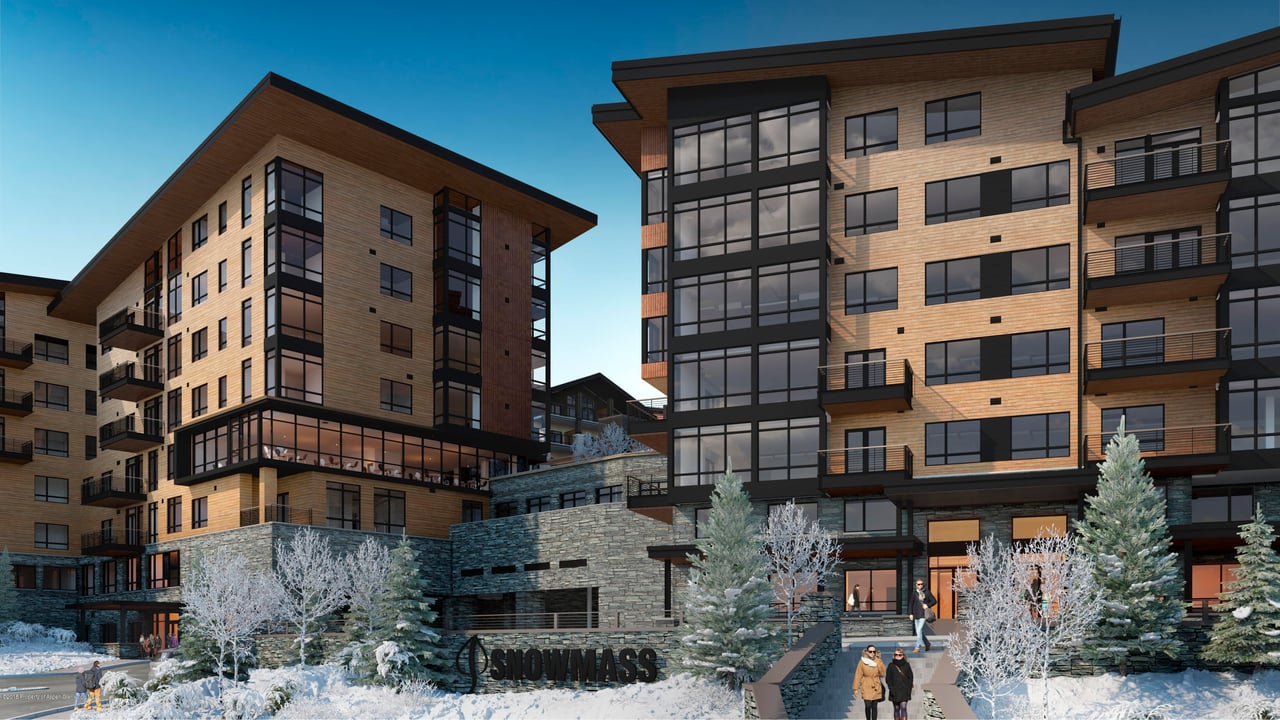
The Snowmass Base Village redevelopment has reshaped what “slopeside” means in town. Projects such as Viceroy and Cirque Residences, Limelight Residences, One Snowmass East and West, Aura, and the Stratos phase were designed to link directly to the Base Village plaza, gondola and groomed connectors. You can read about the redevelopment and recent project updates on All In Snowmass. In these newer buildings, you’ll often see ski lockers, ski valets, front desk services, and on-site management or hotel rental programs. Those amenities boost convenience and guest experience, but they also tend to raise HOA dues.
Legacy complexes also deliver strong access near named runs. Top of the Village, Capitol Peak Lodge, Stonebridge, Timberline, and Woodrun Place are commonly marketed with ski-in/ski-out or slope-side convenience. Details vary by building, unit position, and the specific connector used. For example, Stonebridge highlights on-site ski services and a heated pool on its amenity and unit pages. The take-away is simple: confirm the exact route to a named lift or run and how it is maintained.
You will see certain lifts and runs referenced again and again: Elk Camp Gondola, Village Express, Assay Hill, Fanny Hill, Two Creeks, and the connector catwalks that stitch them together. Pull up the official Snowmass trail map and trace the door-to-lift and ski-back route for any specific building you are considering.
Studios and one-bedrooms are common in hotel-managed buildings, while two- to five-bedroom residences and penthouses appear in newer Base Village product. Expect modern, open-plan designs, larger windows, outdoor terraces, and layouts that work for groups. Older slopeside units may be cozier in size but can deliver front-row access to runs and connectors.
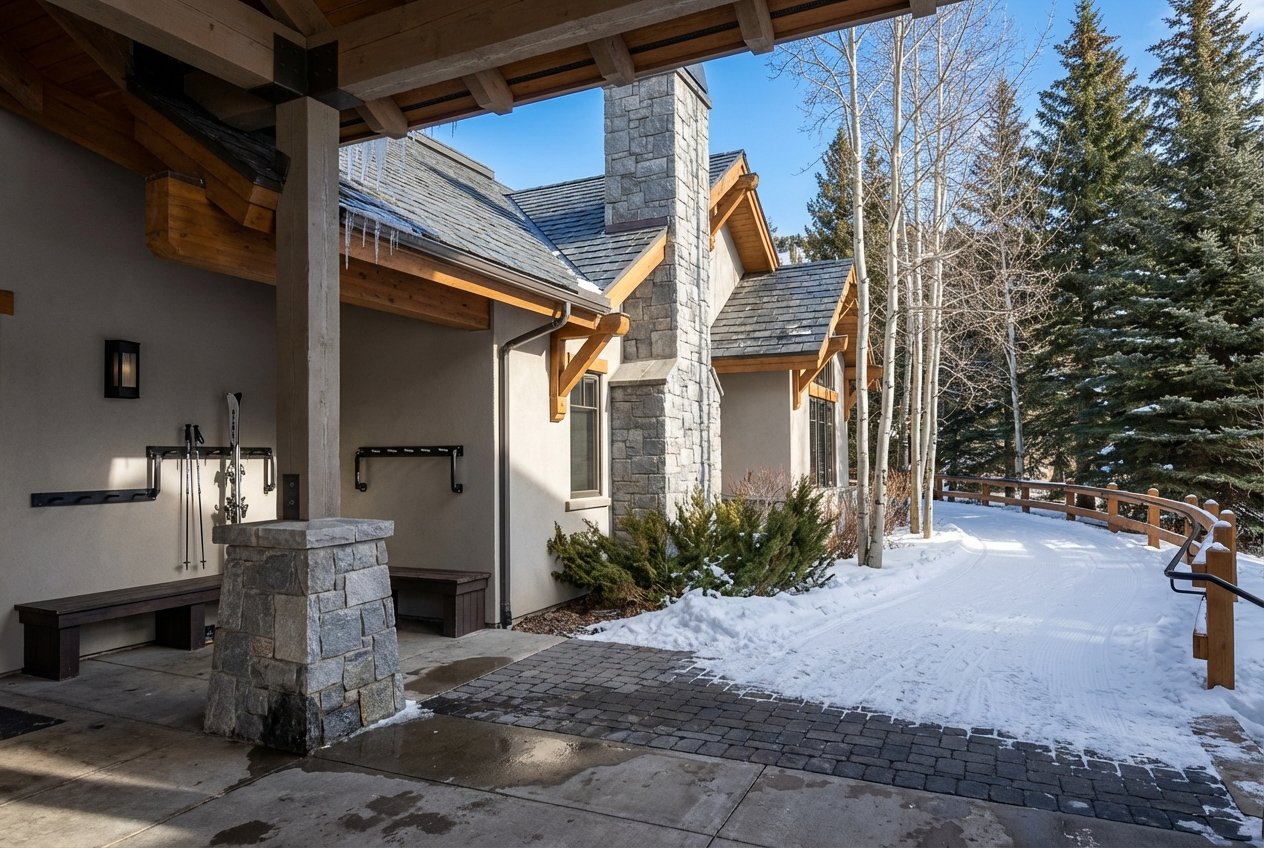
Resort-level amenities show up often in Snowmass: ski storage and lockers, ski valets, front-desk or concierge teams, on-site rental desks, heated pools and hot tubs, gyms, restaurants and bars, housekeeping options, and underground or covered parking. For example, the Limelight highlights ski storage and other guest conveniences on its amenities page. More amenities usually mean higher HOA dues, since you are contributing to staffing, building insurance, capital reserves, and shared services.
Hotel-managed residence models centralize guest experience and distribution through a branded rental program. That can simplify revenue, housekeeping, and front-desk operations, but comes with management fees and program rules. Owner-driven HOAs offer more flexibility to self-manage or hire a third party. If you prefer that route, local firms specialize in Aspen/Snowmass operations, and resources like this overview of vacation rental management options can help you understand typical services.
If the property sits within Snowmass Village limits, the Town’s short-term rental rules and permits apply. The Town updated its program with a standard April 30 annual renewal timeline and a permit fee of 400 dollars effective January 1, 2026. Trespassing is now listed as a major violation. Always verify current requirements on the Town of Snowmass Village STR page before underwriting rental income.
If a property is outside town limits, Pitkin County regulations and licensing apply instead. The County has its own eligibility standards and program requirements. Confirm jurisdiction and permit availability through the County’s planning and permitting overview before you assume a rental path.
An HOA can limit or even prohibit short-term rentals regardless of Town or County programs. Common restrictions include minimum stays, requiring an approved manager, or caps on rental nights. Review the HOA’s governing documents and recent meeting minutes to understand rental policies and any changes on the horizon.
Use this short list to protect your purchase and verify ski access:
Whenever possible, visit during ski season or request a recent winter video of a full door-to-lift and ski-back route. Test the experience with full gear. Confirm who maintains the path after storms and whether skis must come off for stairs, elevators, or plaza crossings. Ask how ski storage actually works. Some buildings feature staffed ski valets, while others rely on self-serve lockers, as illustrated by the Limelight’s amenity setup.
Snowmass has some of the country’s most enjoyable slopeside living, but the best experiences come from clear expectations and good groundwork. If you want help mapping routes, estimating rental potential, or comparing HOA structures across buildings, reach out. You will get local, concierge-level guidance from search to closing and beyond. Start with a conversation with Theo Williams.
Stay up to date on the latest real estate trends.
Elevate your real estate experience with Theo Williams. Whether you're buying or selling, Theo's unmatched expertise and personalized service ensure your journey is seamless and rewarding. Contact Theo today to start your real estate adventure.