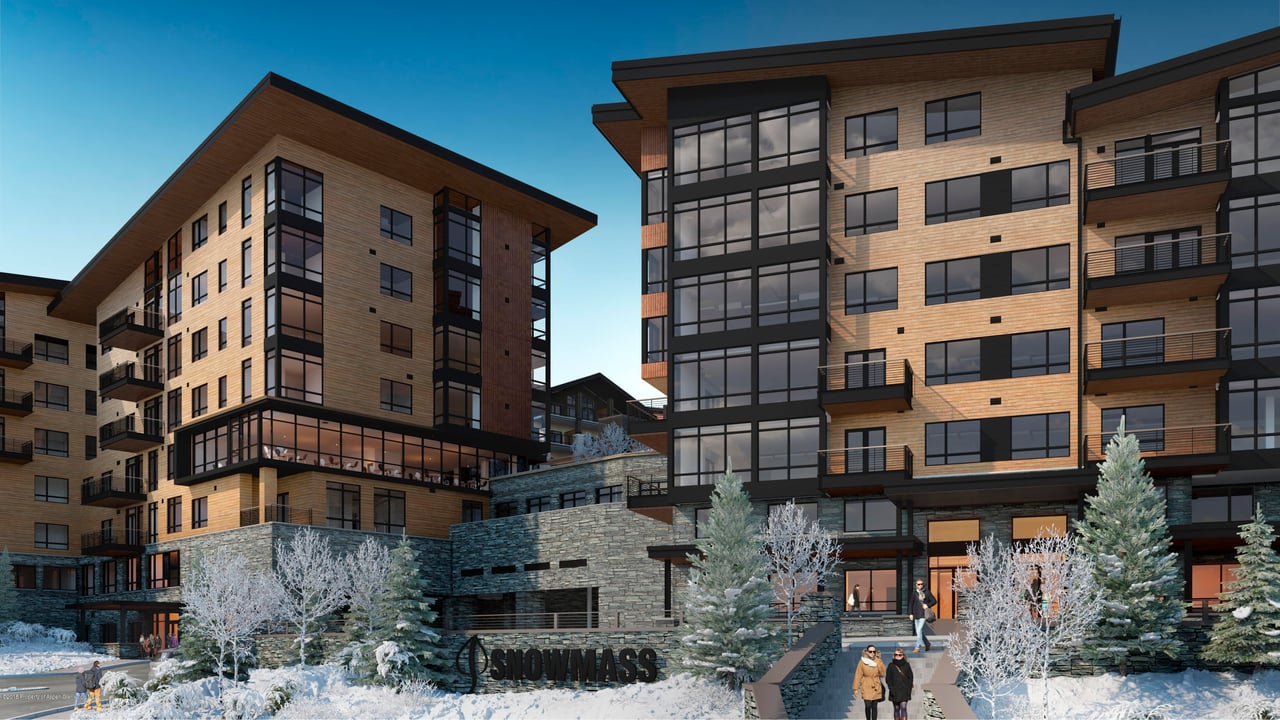
Thinking about a Snowmass Village condo but unsure what those HOA fees actually cover? You are not alone. In a resort market, dues can look high at first glance, and line items may be unfamiliar. When you understand what is included and how it varies by building, you can compare properties with confidence and avoid surprises later. This guide breaks down typical inclusions, why dues differ, and how to read HOA documents so you can build a true total cost of ownership. Let’s dive in.
What Snowmass HOA dues usually include
Operating and administration
- Management fees for professional management and on-site staff.
- Association administration such as accounting, bank fees, mailings, meeting costs, and legal or collection expenses.
- Master building insurance for common elements and the exterior. You still carry an HO-6 policy for your interior, improvements, personal property, and loss assessment coverage.
- Taxes on association-owned assets if applicable. Property taxes on your unit are separate.
Maintenance and day-to-day operations
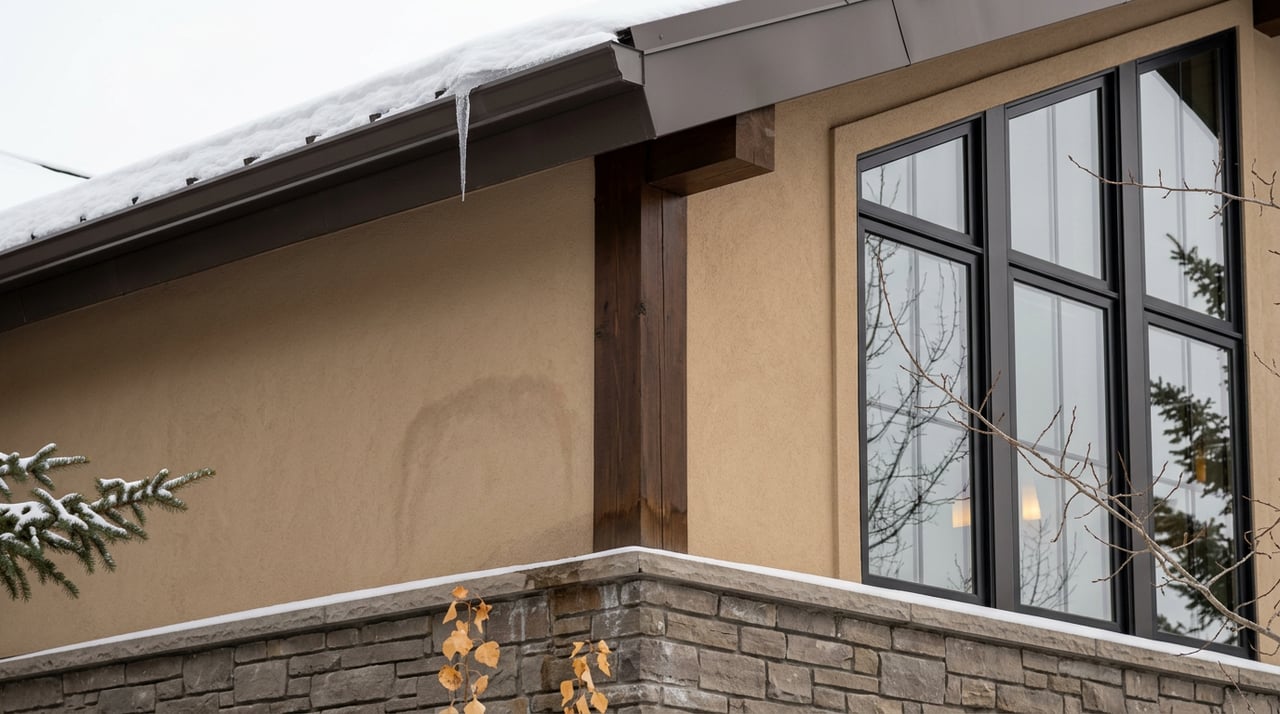
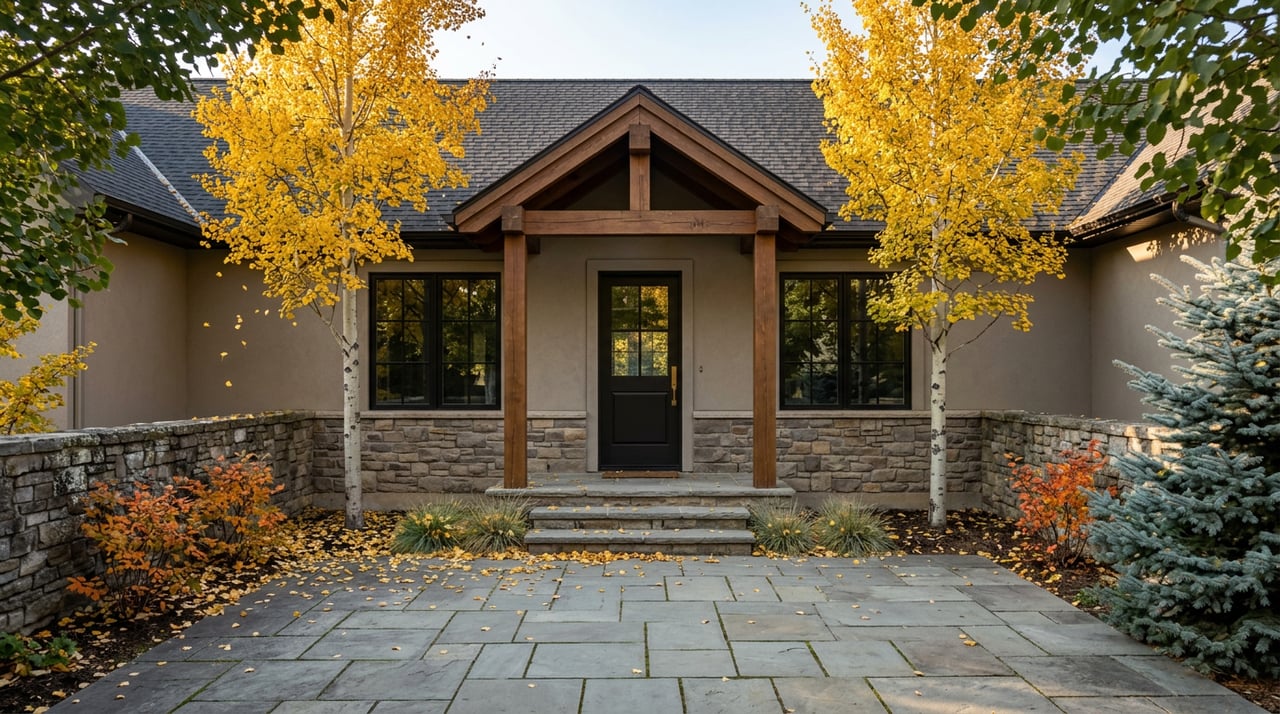
- Exterior upkeep like roofing, siding, painting, decks, and common-area windows.
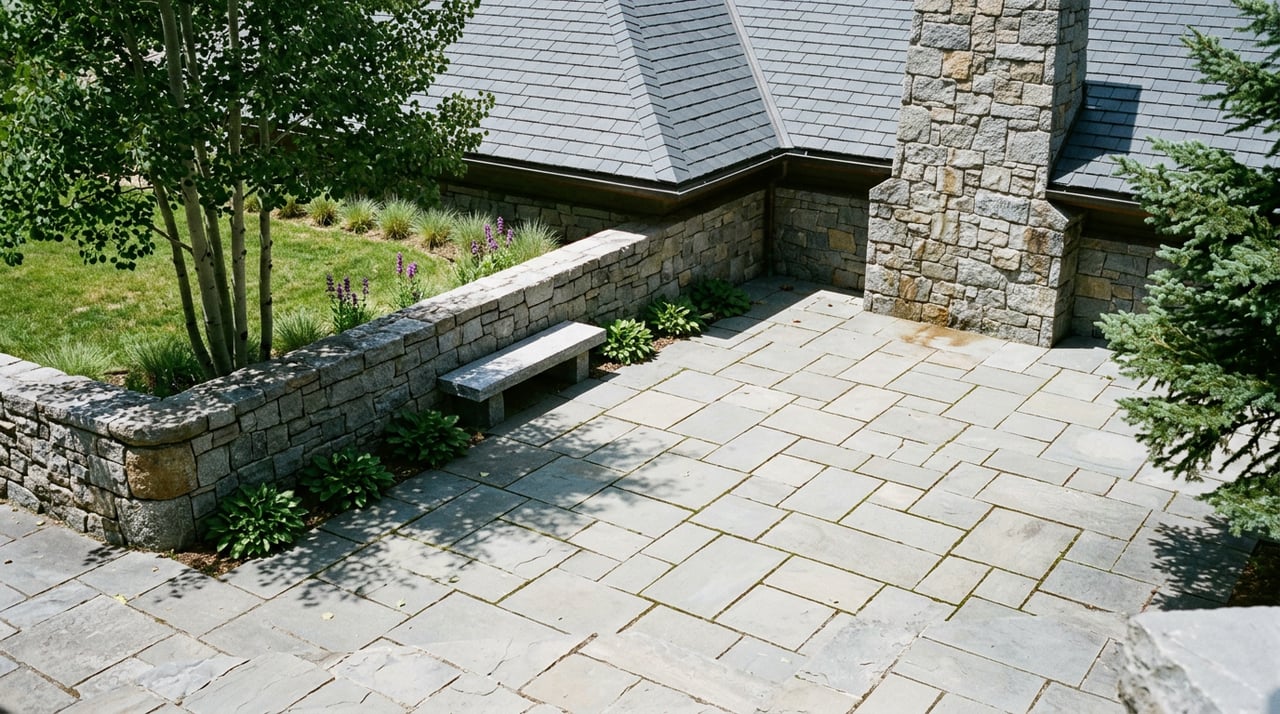
- Grounds and landscaping, including irrigation and erosion control.
- Snow removal and de-icing for roads, parking, walkways, and sometimes roof management.
- Common-area repairs and janitorial for lobbies, halls, elevators, and shared spaces.
Utilities and building services
- Water, sewer, and trash are often included, especially if master-metered.
- Heat, hot water, or electricity may be included in older or hospitality-style buildings. In many condos, units are individually metered and you pay utilities directly.
- Bulk cable or internet may be included or offered at a group rate.
- Lighting or power for parking and storage areas, or EV charging, can be part of the HOA budget or billed separately.
Amenities and resort services
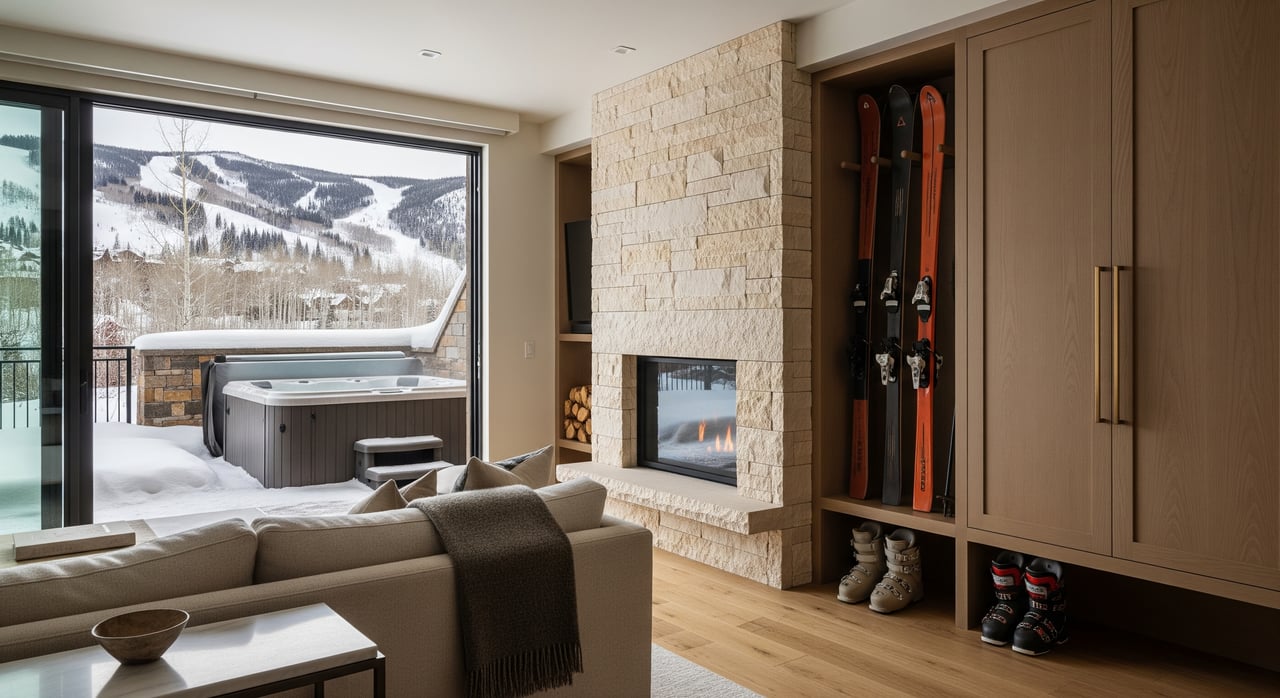
- Pools, hot tubs, saunas, and fitness centers.
- Front desk or concierge, security, and package handling.
- Private shuttles to lifts or village hubs. Some buildings rely on Snowmass Village’s and RFTA’s public transit systems.
- Ski rooms, boot dryers, locker rooms, and clubhouses.
- Housekeeping spaces or shared laundry rooms in lodging-oriented properties.
Reserves and capital needs
- Reserve contributions to fund roof, boiler, elevator, exterior, and other long-term replacements. A current reserve study is important.
- Capital projects may be paid from reserves, loans, or special assessments.
- Special assessments can occur when reserves are insufficient or emergencies arise.
Rental-related items
- On-site rental program administration is often separate from dues and only charged to participating owners.
- Linens and housekeeping are usually per-stay charges, not covered by HOA dues unless the association provides them as shared services.
- Short-term lodging taxes and licenses are separate from HOA dues and follow local rules.
Why dues vary by building
Building type and use
- Luxury condo-hotels usually include more services like concierge, housekeeping coordination, and shuttles, which increases dues.
- Traditional condominiums often focus on maintenance, basic utilities, insurance, and reserves.
- Mixed-use buildings with retail can have more complex expense allocations.
Metering and utility setup
- Master-metered buildings include some or all utilities in the dues.
- Individually metered buildings keep dues lower, but you pay your own utility bills.
Age and condition
- Older buildings may show lower dues today but carry a higher risk of special assessments if reserves are underfunded.
- Newer or recently renovated buildings can have higher dues that reflect stronger reserves and newer systems.
Amenities and staffing
- Staffed amenities like a 24/7 front desk or spa create ongoing payroll costs.
- Self-service amenities cost less to operate.
Size and scale
- Small associations split fixed costs among fewer owners, which can raise per-unit dues.
- Larger associations may earn scale advantages but also plan for larger capital needs.
Location within Snowmass Village
- Ski-in/ski-out and base-area buildings often carry higher dues tied to amenities and transportation.
- Outlying complexes may offer fewer services with lower dues.
How to read the HOA package
In Colorado, associations operate under the Colorado Common Interest Ownership Act (CCIOA). The resale certificate and HOA document package will outline current dues, coverage, budgets, reserves, insurance, restrictions, and any planned or recent assessments. For consumer guidance on association documents, refer to the Colorado Division of Real Estate’s HOA Information and Resource Center. You can also review CCIOA in Title 38 of the Colorado Revised Statutes, including condominium provisions within Title 38 PDF resources.
Request and review:
- Current operating budget and recent financials.
- Latest reserve study and any funding plan.
- Board meeting minutes for the last 12 to 24 months.
- Declaration, bylaws, and rules, including rental use provisions.
- Insurance summary, named perils, deductibles, and loss assessment coverage details.
- Pending litigation or claims.
- Management and vendor contracts for snow removal, pool maintenance, or shuttles.
- Schedule of dues, special assessments, and transfer or initiation fees.
- If you plan to rent, the rental program agreement, fee structure, and tax collection practices.
Red flags to watch
- Outdated or missing reserve study, or low reserves relative to near-term projects.
- Frequent special assessments or a recent large one without a plan to rebuild reserves.
- High owner delinquencies, a sign of financial stress.
- High insurance deductibles or coverage gaps that shift risk to owners.
- Rental restrictions that do not fit your plans.
- Pending litigation that could lead to assessments or higher insurance costs.
Build a real budget
Use this checklist to estimate total annual and monthly costs.
Monthly or annual operating costs:
- HOA dues from the current budget.
- Your utilities if individually metered (electric, gas, water, internet/cable if not included).
- HO-6 condo insurance and personal liability or umbrella if applicable.
- Pitkin County property taxes for your unit.
- Mortgage principal and interest if financed.
Periodic or irregular costs:
- A contingency for possible special assessments, based on reserve strength and project pipeline.
- Seasonal or annual parking or storage fees if applicable.
- Rental management and turnover costs if you rent.
- Travel, routine maintenance, and furniture or appliance replacement.
- Possible annual increases in HOA dues to keep reserves healthy.
How to assemble the numbers:
- Start with the current monthly dues. Add your estimated owner-paid utilities.
- Add insurance and property taxes for a true monthly equivalent.
- Add a prudent annual contingency for assessments if reserves look light.
- If renting, include rental management fees and turnovers. Confirm whether fees are deducted from revenue or billed to you.
Renting your Snowmass condo
If you plan to rent short term, budget for licenses and lodging taxes that are separate from HOA dues. Review Snowmass Village’s current guidance on short-term rentals and check Pitkin County’s official resources at Pitkin County for regional requirements. Many resort buildings use professional rental managers who handle bookings, housekeeping, and tax collection for a fee. If your building participates in public transit, confirm whether the HOA funds private shuttles or relies on Snowmass Village and RFTA services.
Key rental items to verify:
- Whether the building allows short-term rentals and any minimum-stay rules.
- How revenue is split and what management fees apply.
- Housekeeping, linen, and maintenance charges per stay.
- How taxes are collected and remitted.
Smart questions to ask
- What exactly do monthly dues cover, line by line?
- Are utilities master-metered or individual? Which ones?
- What is the current reserve balance, and when was the last reserve study?
- Any special assessments in the past five years or planned projects ahead?
- What does the master insurance policy cover, and what is the deductible?
- How often have dues changed, and are increases expected?
- How are shuttles or transportation services funded?
The bottom line
In Snowmass Village, HOA dues reflect the lifestyle you want, the building’s age and systems, the level of services, and how utilities are metered. With a clear reading of the HOA package and a realistic budget, you can decide whether a condo fits your goals for personal use, rental income, or both.
If you want a second opinion on an HOA budget or help comparing ski-in/ski-out options, reach out to Theo Williams for local insight and a concierge-level buying experience.
FAQs
What do Snowmass condo HOA fees typically include?
- Most cover management, building insurance for common areas, exterior and grounds upkeep, snow removal, some utilities, and reserves. Amenities and services vary by building.
How do master-metered utilities affect my monthly costs?
- If utilities are master-metered, your dues may be higher, but your separate utility bills are lower. Individually metered units often have lower dues and higher owner-paid bills.
What is a reserve study and why does it matter?
- A reserve study estimates long-term repair costs and sets savings targets. Strong reserves lower the risk of special assessments when big projects come due.
Are short-term rental taxes included in HOA dues?
- No. Licenses and lodging taxes are separate from HOA dues. Check Snowmass Village’s short-term rental rules and confirm fees with local authorities.
What insurance do I need if the HOA has a master policy?
- You typically need an HO-6 policy for your unit’s interior, improvements, personal property, liability, and loss assessment coverage. Confirm the HOA’s master policy limits and deductibles.
What are common red flags in HOA documents for Snowmass condos?
- Low reserves, frequent or large assessments, high insurance deductibles, owner delinquencies, restrictive rental rules, and pending litigation are key issues to investigate.