Aspen Luxury Market: What Today’s Prices Mean For You
February 5, 2026
February 5, 2026
Are Aspen prices making headlines again and leaving you wondering what they mean for your goals? If you are weighing a luxury purchase or planning a sale in Aspen, it can be hard to decode what “today’s price” really signals. You deserve a clear, practical read that fits your timeline and property type. This guide breaks down how Aspen’s luxury market works, which numbers matter, and how to use them to make confident decisions. Let’s dive in.
Aspen’s luxury market is powered by second‑home and vacation demand. Many buyers come from out of state or abroad and prioritize lifestyle features like ski access, walkability to town, dining, and privacy. High‑end amenities and event access create strong premiums for the best locations.
Supply is tight. Pitkin County’s strict zoning and design review, limited land, and high replacement costs keep new inventory scarce. Many prized parcels are already developed. That scarcity supports pricing even when sales volume slows.
Seasonality matters. Listings often rise ahead of winter and summer, with peak buying activity around late spring and pre‑winter. Some sellers time launches around major events that attract qualified visitors.
Local policies can influence value. Property taxes are set at the county level and short‑term rental rules can affect investor returns. If you plan to rent, review current Pitkin County regulations before you buy or sell.
You get the clearest picture when you track a handful of KPIs together. Ask your agent for the latest Aspen Board of REALTORS and local MLS figures before you decide.
If months of supply is low and DOM is short, expect fewer bargains. Have proof of funds or pre‑approval ready, keep decisions quick, and consider flexible terms like a clean inspection timeline. Ask your broker about off‑market options, since many special properties trade privately.
If inventory grows and DOM lengthens, you may be able to negotiate on price or ask for concessions like closing cost credits or extended due diligence. Older mountain homes may warrant detailed inspections for systems and snow management.
Short‑term rental policy shifts and lodging taxes influence returns. Confirm rules for your property type and location, plus recent occupancy and rate trends. Analyze your cap rate against carry costs like taxes, insurance, HOA, maintenance, and management. Small changes in rates or occupancy matter in high‑end units.
If prices look steady but tourism demand is improving, income may carry more of your return. If rents are soft, focus on long‑term appreciation and your holding horizon.
Interest rates are less of a concern for you. In tighter segments, cash can secure faster, cleaner closings. In buyer‑leaning pockets, cash plus flexible terms could unlock selection and discounts.
In a seller‑leaning window, price at or just below the expected range to draw multiple offers and compress timelines. Be prepared to shorten contingencies and accommodate quick closes.
If the market leans to buyers, plan for strategic reductions or concessions. Pre‑listing improvements, professional staging, and flexible showings can help you stand out and shorten DOM.
If supply is tight and demand stable, patience can pay off, especially if you time around peak seasons. If inventory builds and DOM extends, compare your carrying costs to likely appreciation and decide whether to reposition now.
If regulations change, value expectations may need adjusting. Present clear, verified income and occupancy history to support your price. Buyers respond to clean documentation and professional financials.
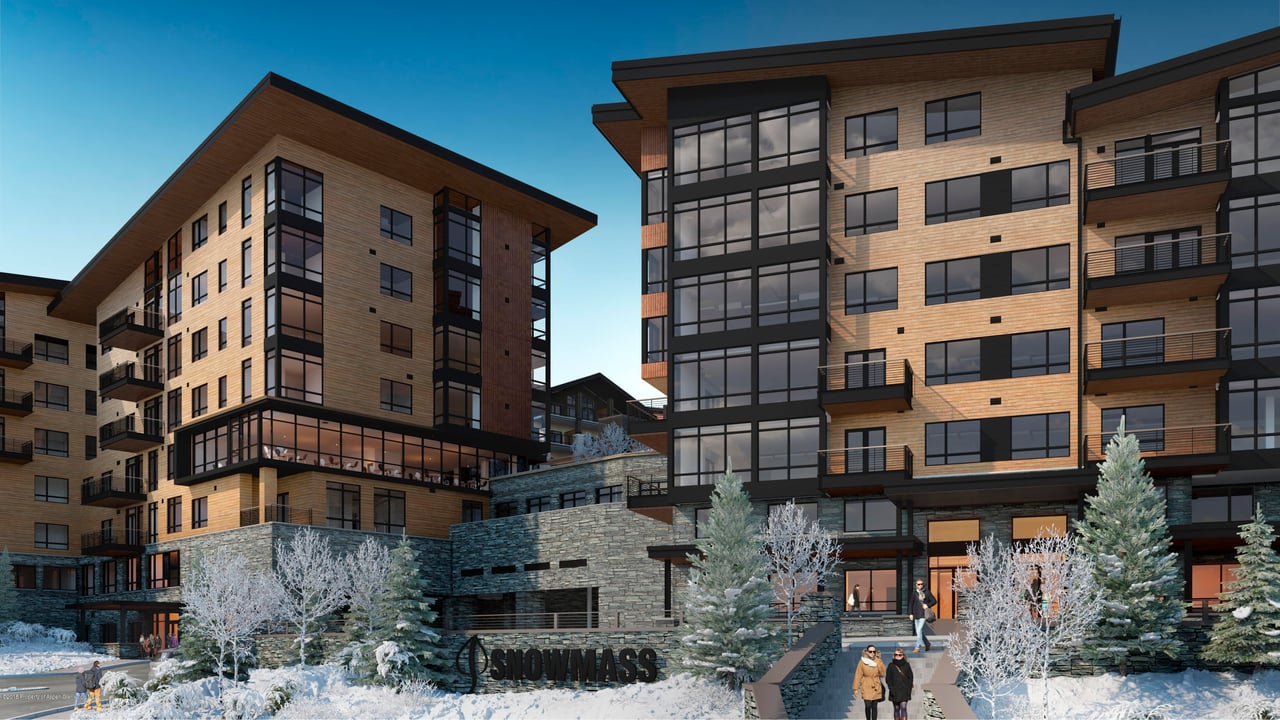
Aspen is a market of micro‑locations. Compare by very specific criteria: ski access, walkability, views, privacy, lot size, renovation status, and amenities. Areas like West Aspen, Red Mountain, East Aspen, and nearby Snowmass each have distinct pricing patterns based on access and features.
Look beyond headline medians. The best comp set often includes only a small number of highly similar homes. Exclude outliers and account for upgrades, design quality, and site characteristics.
Listing 6 to 10 weeks before peak winter or summer can build momentum with qualified buyers. Buyers should begin the search well ahead of those seasons to see pre‑market and early listings. Major events can increase visibility, but timing still depends on your property type and goals.
Ask your agent for these current metrics and sources:
Note that small sample sizes can skew percent changes. Rolling averages and micro‑market comparisons give you a clearer view.
Today’s Aspen luxury prices reflect long‑standing scarcity, lifestyle demand, and seasonality. Whether you are buying or selling, the edge comes from reading the right indicators, focusing on true comps, and shaping your strategy to your timeline and property type. With local guidance and a concierge approach to search, staging, and negotiation, you can move with confidence.
If you want a data‑driven read on your segment and a plan tailored to your goals, connect with Theo Williams for discreet, expert representation.
Stay up to date on the latest real estate trends.

Elevate your real estate experience with Theo Williams. Whether you're buying or selling, Theo's unmatched expertise and personalized service ensure your journey is seamless and rewarding. Contact Theo today to start your real estate adventure.