How Aspen RETT Neighborhood Boundaries Affect Buyers
September 3, 2026
September 3, 2026
Two buyers can put contracts on homes a quarter mile apart, both listed as Aspen, both feeling identical from the curb, and walk into two very different closing statements. One owes a transfer tax bill that runs into six figures. The other owes nothing at all. The difference has nothing to do with the house, the price, or the buyer's financing. It comes down to a boundary line that predates most of the subdivisions people now call Aspen neighborhoods, and it rarely shows up until a title company pulls the parcel and someone asks the question out loud.
That boundary is the line between the incorporated City of Aspen and unincorporated Pitkin County. The city collects a transfer tax inside its limits. The county does not. A listing can say Aspen in the address, in the marketing copy, in the school district, in every way that matters to daily life, and still sit outside the taxing boundary. This is the fact most out-of-area buyers, and more than a few of their agents, learn only after they've already written the offer.
Aspen's transfer tax is really two separate levies stacked on top of each other, both approved by city voters decades ago. The TABOR Foundation explains that the levies were grandfathered in under Colorado's constitutional TABOR provisions, which now bar any new Colorado municipality from creating a fresh transfer tax. The City of Aspen's finance department breaks the two down:
Combined, that's a tax that runs close to 1.5% of the purchase price on most transactions, paid by the buyer. If it isn't paid, the city can place a lien on the property until it is.
None of that is unusual to hear about Aspen. What's less commonly explained is where it stops applying.
Aspen's single-family market has been running at a median sale price of $12,275,000 through the first half of 2026, down from $14,000,000 over the same period a year earlier. That follows a longer climb: Aspen's full-year median sat at $13.2 million in 2025, more than double the $5.8 million median from 2015, according to the Colorado Sun. At today's mid-twelve-million price point, here's what the two RETT components add up to on a home inside city limits:
| Component | Rate | Taxable Amount | Tax Due |
|---|---|---|---|
| Wheeler Opera House RETT | 0.5% | $12,275,000 | $61,375 |
| Housing RETT | 1.0% | $12,175,000 (after $100,000 exclusion) | $121,750 |
| Total | $183,125 |
At Aspen's price levels, the $100,000 exclusion barely moves the needle. It was written into the ordinance to soften the tax for smaller transactions, and it does exactly that on a starter condo. On a median Aspen single-family home, it saves a buyer roughly $1,000 against what a flat 1.5% would produce. The number that actually matters at this price point isn't the exclusion. It's whether the parcel is taxed at all.
A few examples make the boundary concrete, drawn from how the line actually falls across parcels that all get marketed under the Aspen name.
Meadowood, a subdivision of large custom homes on the west side of town, was never annexed. It remains unincorporated Pitkin County, and a Meadowood closing owes no city transfer tax at all. The county's development code instead handles Meadowood differently on the land use side, granting lots there an additional floor area allowance tied to their share of Meadowood's open space, a trade that has nothing to do with tax and everything to do with why the subdivision was structured the way it was.
The exact line should be confirmed address by address rather than assumed from the street name.
None of these lines are visible from the street. They only show up on a title report or a call to the city and county planning departments, which is exactly why they catch people off guard.
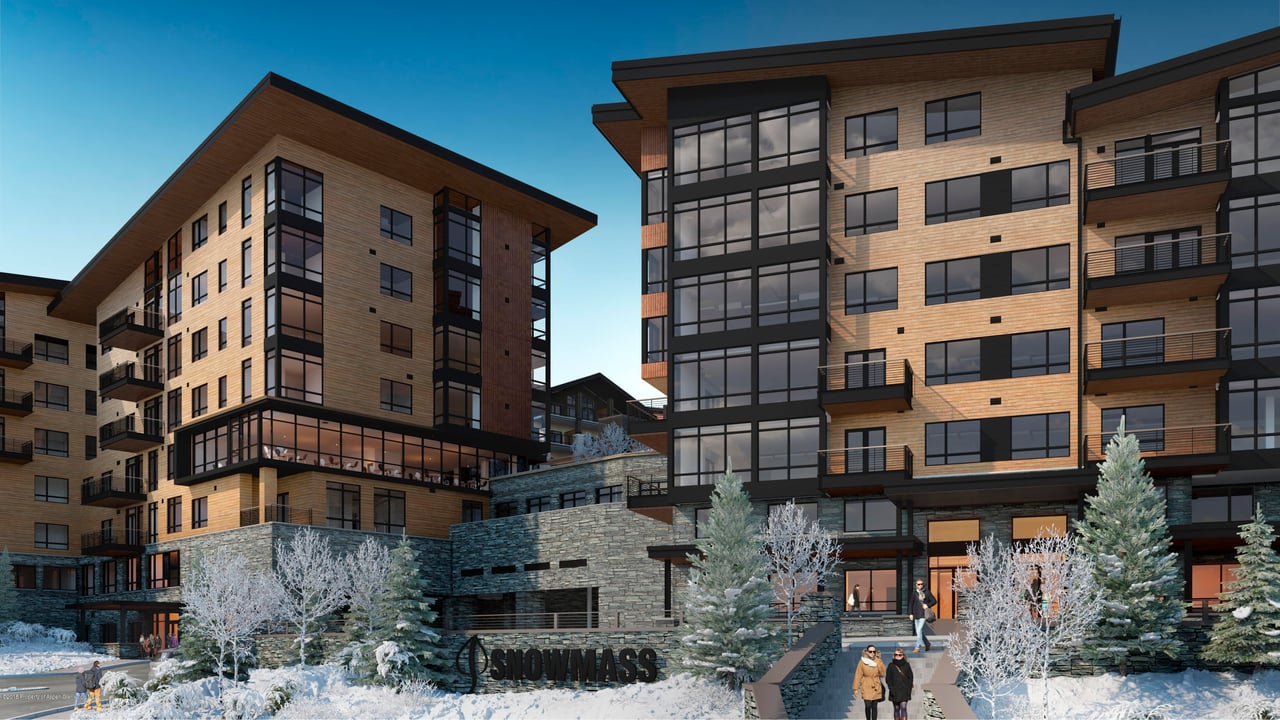
Buyers cross-shopping Aspen against Snowmass Village sometimes assume the transfer tax picture is roughly the same. It isn't. The Town of Snowmass Village collects its own 1.0% transfer tax on sales within town limits, a separate levy from anything the City of Aspen imposes.
A buyer weighing an Aspen purchase against a Snowmass Village purchase at a similar price point should check the specific parcel rather than assume the transfer-tax details from the listing.
A buyer or seller who wants a real answer before signing anything has a short list of questions worth asking directly, rather than assuming from the listing address:
None of these questions require a lawyer to ask. They require someone who already knows which parcels tend to raise the question, which is less about reading the ordinance and more about having sat across the table from enough of these closings to know where the line usually falls.
This isn't an abstract exercise this year. Aspen's single-family market has slowed considerably in 2026, with days on market for closed sales stretching to 193 through the first half of the year, up from 118 over the same period in 2025. In a market where homes sit longer and buyers have room to negotiate, a $183,000 tax bill on one parcel and zero on the one next door isn't a rounding error. It's a number that belongs in the offer strategy from the start, not a surprise that surfaces at the closing table.
Does the transfer tax apply if I'm buying vacant land instead of a finished house? Yes. Aspen's ordinance applies to all real property within city limits, including undeveloped land, not just improved structures.
Is there a way to confirm the jurisdiction before I write an offer? The City of Aspen's Community Development Department and the Pitkin County Community Development Department can both confirm, by specific address, which side of the boundary a parcel sits on. Given how often the line splits a single subdivision, this is worth doing before an offer goes in rather than after.
Does Aspen's transfer tax ever expire? Both components carry sunset provisions written into the original ballot measures. The Wheeler Opera House portion is set to expire after December 31, 2039, and the housing portion after December 31, 2060, unless Aspen voters extend either one again, which they have done before.
Buying or selling in Aspen, Snowmass Village or anywhere else in the Roaring Fork Valley means budgeting for costs that don't show up on a national closing cost calculator. Theo Williams has spent years walking clients through exactly which side of these lines a given property falls on. If you're ready to see how it applies to the specific parcel you have in mind, Start Your Aspen Search today.
This article is general information, not legal, tax or financial advice. Consult a qualified professional about your situation.
Stay up to date on the latest real estate trends.


Elevate your real estate experience with Theo Williams. Whether you're buying or selling, Theo's unmatched expertise and personalized service ensure your journey is seamless and rewarding. Contact Theo today to start your real estate adventure.